
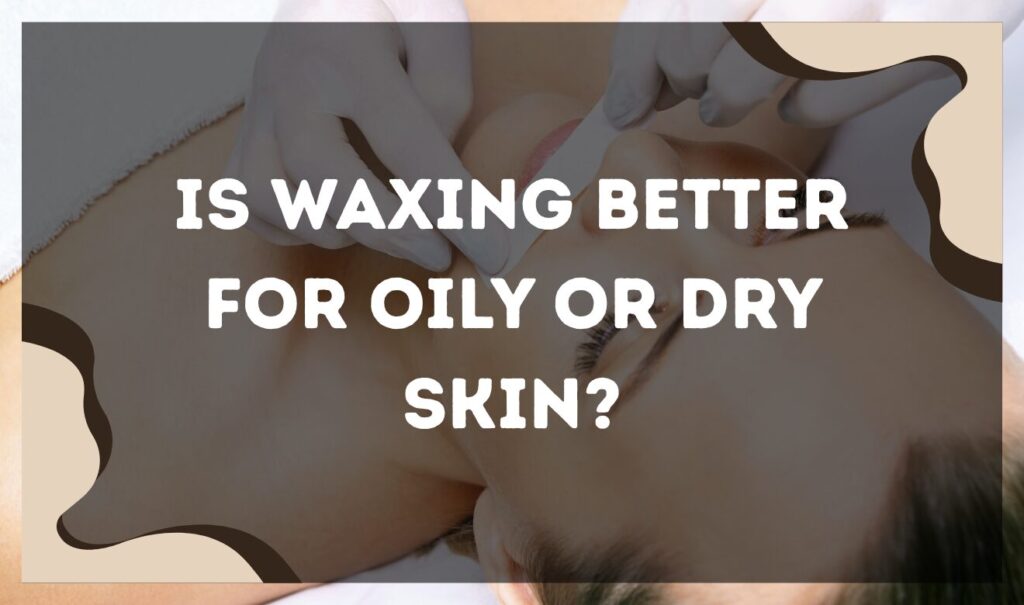
When it comes to wax suitability for oily vs dry skin, the answer isn’t one-size-fits-all—both skin types can benefit with the right approach. People with oily skin might find that waxing helps remove excess sebum and dead skin cells, potentially keeping pores clearer. On the other hand, those with dry skin need to be cautious; waxing can cause irritation or flaking if the skin isn’t properly moisturized before and after. For example, a person with oily skin using a tea tree-infused wax may see reduced breakouts, while someone with dry skin may prefer a cream-based wax for its hydrating properties. The key lies in choosing the right wax type and prepping your skin accordingly.
How Waxing Affects Different Skin Types
Understanding how waxing interacts with your skin type is key to achieving smooth, irritation-free results. Whether you have oily, dry, or combination skin, the waxing process can either enhance your skin health—or leave it feeling stressed. Let’s break down how waxing works differently on oily vs dry skin types.
For Oily Skin
People with oily skin often deal with excess sebum, enlarged pores, and frequent breakouts. Surprisingly, waxing can be quite beneficial for this skin type—when done right.
- Deep pore cleansing: Waxing physically removes debris, dead skin, and oils from the surface, minimizing clogged pores and blackheads.
- Reduced oiliness: Some waxes contain natural astringents like lemon or tea tree oil to help reduce shine and curb oil production post-wax.
- Better product absorption: Once the oil barrier is temporarily lowered, skincare products like serums and toners penetrate more effectively.
For Dry Skin
Dry skin is more delicate and prone to flakiness, redness, and tightness. Waxing may strip away vital moisture if not executed with care.
- Hydration is key: Cream-based or sugar waxes are gentler and less likely to irritate compared to hard wax formulations.
- Prep and post-care matter: Moisturizing well before and after waxing helps reduce peeling and inflammation.
- Go fragrance-free: Avoid waxes with synthetic scents or alcohol, which can exacerbate dryness.
Choosing the Right Wax for Your Skin Type
Wax suitability for oily vs dry skin largely depends on the formulation, base ingredients, and the method of application. Here’s a breakdown to guide your selection.
| Skin Type | Recommended Wax Type | Why It Works |
|---|---|---|
| Oily Skin | Tea tree-infused or gel wax | Helps cleanse the skin and reduce inflammation |
| Dry Skin | Cream wax or sugar wax | More moisturizing and less likely to tug on delicate skin |
Pre-Waxing Tips for Your Skin Type
Preparation can make a significant difference in how your skin responds to waxing. Here’s what to do based on your skin type.
Prepping Oily Skin
- Cleanse thoroughly with a gentle, oil-free cleanser
- Use a mild exfoliant 24 hours before waxing to remove dead cells
- Avoid moisturizers immediately before waxing to ensure the wax adheres well
Prepping Dry Skin
- Moisturize twice daily leading up to your waxing session
- Use a hydrating toner or serum the night before
- Ensure skin is clean but not stripped dry just before waxing
Post-Wax Care: Keeping Skin Calm and Smooth
Care for Oily Skin
- Apply a tea tree or witch hazel toner to balance oil and reduce potential breakouts
- Avoid heavy, greasy lotions that may clog pores
- Stick to non-comedogenic soothing gels like aloe vera
Care for Dry Skin
- Use a fragrance-free, replenishing moisturizer immediately after waxing
- Apply a cold compress to reduce inflammation and redness
- Re-apply moisturizer consistently for 2–3 days post-treatment
How Often Should You Wax?
Wax suitability for oily vs dry skin also depends on frequency. Over-waxing can cause irritation, while under-waxing may reduce effectiveness.
- Oily Skin: Every 3–4 weeks. The faster hair growth rate in oily-skinned individuals might require more frequent sessions.
- Dry Skin: Every 4–6 weeks. Spacing out sessions gives the skin time to recover and maintain hydration.
Signs You’re Using the Wrong Wax
If your skin reacts poorly after waxing, it might be time to reconsider which wax you’re using. Watch for these indicators:
- Excessive redness or skin peeling lasting more than 24 hours
- Persistent breakouts or whiteheads (especially on oily skin)
- Dry patches or tightness that worsen with each session
Proper wax suitability for oily vs dry skin means you’re not just choosing the right product—you’re observing and responding to your skin’s needs over time.
Natural Alternatives and DIY Tips
If salon waxing doesn’t agree with your skin, creating your own wax at home can be a gentle, cost-effective alternative. Here are DIY options for different skin types:
For Oily Skin
- Mix sugar, lemon juice, and water to create a purifying sugar wax
- Apply using a strip method for clean removal and exfoliation
For Dry Skin
- Opt for sugar wax with added honey to retain moisture
- Patch test first to ensure no sensitivity or irritation
Remember: even homemade solutions should be approached carefully to ensure wax suitability for oily vs dry skin isn’t compromised.
Expert Tips to Maximize Wax Suitability for Oily vs Dry Skin
- Never wax over irritated or sunburned skin, regardless of skin type
- Consult a dermatologist if you experience consistent negative reactions
- Look for waxes labeled “for sensitive skin” if you’re unsure of your skin type
What Dermatologists Say About Waxing
Waxing can have both benefits and drawbacks depending on technique and skin type. For oily skin, lightweight waxes like gel or soft formulas tend to adhere to hair without adding excess oil—and post‑wax, products with ingredients such as aloe vera, chamomile, or calendula can help soothe and calm the skin. On the other hand, those with dry or sensitive skin may benefit from hydrating or hypoallergenic waxes enriched with chamomile or beeswax to minimize irritation.
When to Switch Methods
If wax suitability for oily vs dry skin becomes too complicated to manage or causes adverse effects, consider alternatives such as:
- Laser hair removal: Long-term results and reduced irritation
- Threading: Gentle for facial hair on dry or sensitive skin
- Shaving + exfoliation: Better for managing sudden breakouts or super dry patches
Why Personalized Waxing Is the Future
As more individuals become aware of how waxing interacts with their skin type, customization is stepping into the spotlight. More salons are offering skin-type-specific waxing packages. Look for businesses that analyze your skin type beforehand and offer targeted wax formulations.
Understanding wax suitability for oily vs dry skin is no longer just about smooth skin—it’s about skin health, long-term care, and feeling confident throughout the process.
Your Skin, Your Rules: Make Waxing Work for You
In the debate around wax suitability for oily vs dry skin, personalization is power. Whether you’re managing excess sebum or balancing flakiness, choosing the right preparation, wax type, and post-care strategy is essential. With mindful choices and a bit of trial and error, waxing can become a trusted part of your skincare routine rather than a stressor.
For radiant, calm, and beautifully smooth skin, always prioritize your unique skin needs—and trust that with the right knowledge, waxing can work for anyone.
Frequently Asked Questions
Is waxing better for oily or dry skin?
What is the best wax type for oily skin?
How should I prepare dry skin before waxing?
How often should you wax if you have oily or dry skin?
What are signs you’re using the wrong wax for your skin type?
Your Skin Deserves the Right Wax – Here’s How to Find It
Whether you’re battling oily breakouts or navigating dry, sensitive skin, there’s a better way to wax—and it starts with personalization. At Queen Wax, expert-backed formulations are chosen with your skin type in mind, so you never have to settle for irritation or less-than-smooth results.
Discover custom waxing that’s as unique as your skin—schedule your personalized skin consultation with Queen Wax today and unlock your path to confident, radiant skin.